
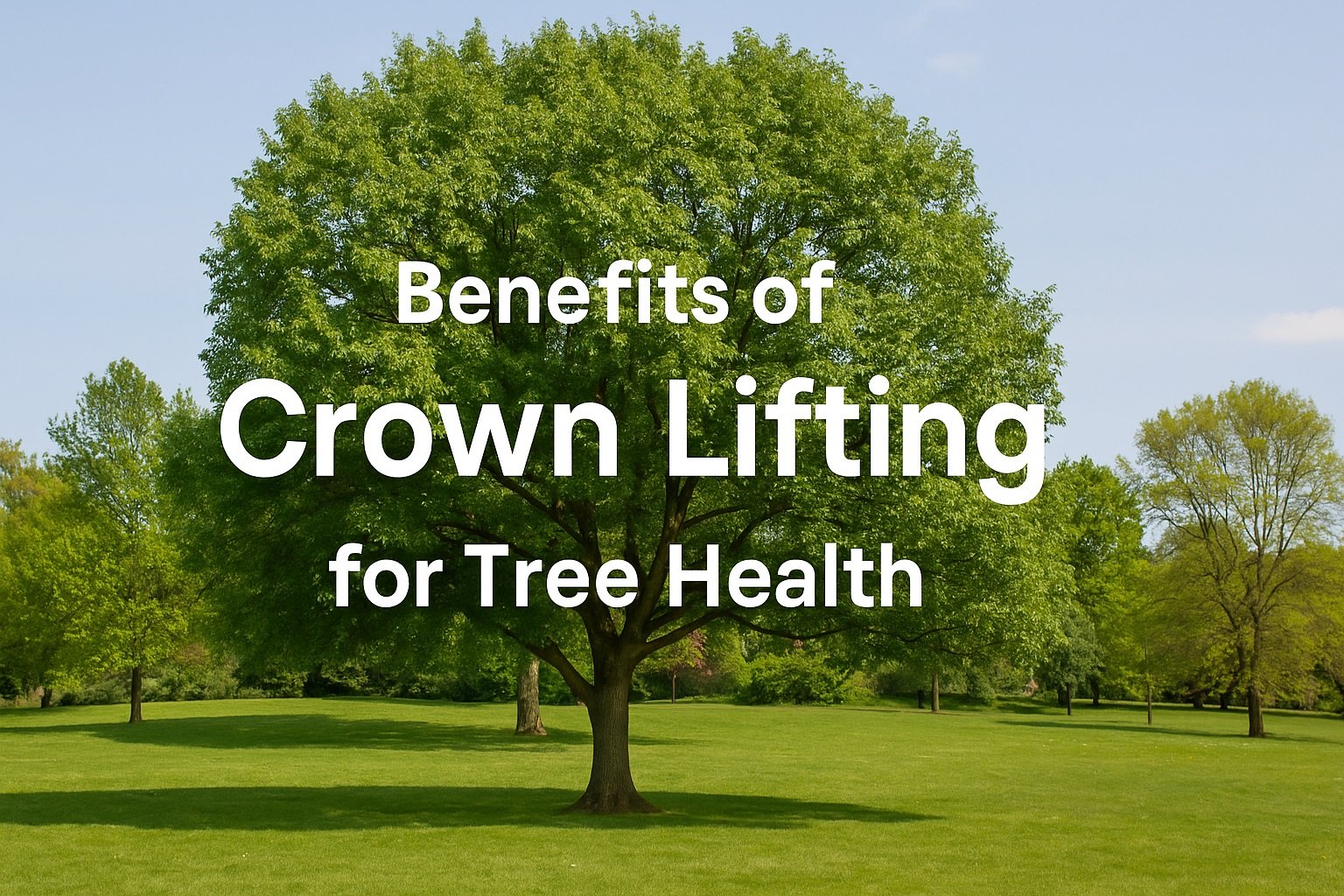
If you have mature trees in your garden or on commercial land in Blackpool, you’ve probably noticed how quickly they can start to feel overgrown. Low branches blocking light, scraping buildings, or hanging over paths are not just inconvenient. Over time, they can quietly damage the health of the tree itself. This is where Crown Lifting in Blackpool. plays a crucial role. Done properly, it is not about aggressive cutting. It is about helping trees breathe, grow correctly, and remain safe in a coastal environment like Blackpool’s.
What Is Crown Lifting and Why Does It Matter?
Crown lifting involves the careful removal of lower branches to raise the canopy height of a tree. The aim is to create clearance beneath the tree while maintaining its natural shape and structural balance. Unlike heavy pruning, crown lifting focuses on selective cuts. This ensures the tree remains strong while allowing better air circulation, light penetration, and space around buildings, roads, and gardens. In Blackpool, where strong coastal winds and salt-laden air can stress trees, proper crown lifting helps reduce strain on the lower limbs and improves overall resilience.
Key Benefits of Crown Lifting for Tree Health
Crown lifting helps trees grow in a healthier, more balanced way by removing unnecessary lower branches that restrict airflow and light. It reduces the risk of disease and decay by keeping moisture away from vulnerable areas near the trunk and ground.
Improved Light and Airflow
One of the most noticeable benefits of crown lifting is increased sunlight reaching the lower canopy and surrounding garden areas. This helps:
- Improve photosynthesis across the tree
- Encourage healthier leaf growth
- Reduce damp conditions that promote fungal disease
Better airflow is especially important in Blackpool’s humid coastal climate, where poor circulation can weaken trees over time.
Reduced Risk of Disease and Decay
Low branches that sit close to the ground are more likely to suffer from moisture retention, pest damage, and fungal infections. Removing these branches lowers the risk of decay spreading into the trunk. Crown lifting for tree health is often recommended as part of regular tree maintenance, particularly for older trees that have grown unchecked for years.
Crown Lifting and Tree Safety in Urban Blackpool
In busy urban areas of Blackpool, low tree branches can obstruct pavements, roads, and access points, creating avoidable safety risks. Crown lifting improves visibility and clearance, helping protect pedestrians, vehicles, and nearby buildings from damage.
Clearance from Buildings and Walkways
In residential and commercial areas of Blackpool, trees often grow close to homes, shops, and pavements. Low branches can:
- Damage roofs, gutters, and walls
- Obstruct footpaths and driveways
- Reduce visibility for vehicles and pedestrians
Professional crown lifting improves clearance while keeping the tree structurally sound. This is especially important for properties near busy streets or public access areas.
Wind Resistance and Storm Protection
Strong winds are a fact of life on the Fylde Coast. Crown lifting reduces wind resistance on lower branches, helping the tree move more naturally during storms rather than snapping under pressure. When combined with crown thinning for tree health, this approach significantly lowers the risk of storm-related damage.
How Crown Lifting Supports Long-Term Tree Growth
By removing excess lower branches, crown lifting allows trees to focus their energy on healthy upward growth rather than supporting weak or shaded limbs. This encourages a stronger structure and better weight distribution as the tree matures. Over time, it helps trees adapt more effectively to their surroundings while maintaining long-term health and stability.
Encouraging Balanced Structure
Trees naturally try to grow towards light. If lower branches are left unmanaged, they can compete with upper growth, creating imbalance. Crown lifting helps redirect the tree’s energy upwards, encouraging a stronger central structure. This is particularly beneficial for trees in confined spaces such as gardens or roadside verges.
Supporting Root Health
Healthy growth above ground depends on healthy roots below ground. By reducing stress on lower limbs, crown lifting indirectly supports tree root health management. When paired with good soil care practices like mulching for tree care, trees are better equipped to absorb nutrients and withstand environmental stress.
Crown Lifting vs Other Tree Maintenance Techniques
Crown lifting focuses on removing lower branches to improve clearance and structure, while other techniques address different aspects of tree health. For example, crown thinning reduces canopy density to improve airflow, whereas general pruning manages shape and growth.
Crown Lifting vs Crown Thinning
While both methods improve tree health, they serve different purposes:
- Crown lifting removes lower branches to increase clearance
- Crown thinning reduces density throughout the canopy
In Blackpool, tree surgeons often recommend using both techniques together for optimal results, particularly for mature trees exposed to strong winds.
Importance of Regular Tree Maintenance
Crown lifting should not be a one-off task. Trees change as they grow, and what was suitable five years ago may no longer be appropriate. Regular inspections and maintenance ensure that crown lifting remains proportionate and supports the tree’s long-term health rather than harming it.
When Is the Best Time to Carry Out Crown Lifting?
Many property owners ask about the best time to prune trees in the UK. In most cases:
- Late autumn to early spring is ideal for deciduous trees
- Avoid heavy work during nesting season unless essential
- Emergency or safety work can be carried out year-round
In Blackpool, weather conditions also play a role. Professional tree surgeons will assess wind exposure, tree species, and overall condition before scheduling work.
Why Professional Crown Lifting Matters
Poorly executed crown lifting can do more harm than good. Over-cutting can weaken the tree, expose it to disease, and lead to unstable regrowth. At LH Tree Services, we follow British Standards for tree work and take a measured, experience-led approach. Every cut is made with the tree’s future health in mind, not just short-term appearance. Our local knowledge of tree maintenance in Blackpool allows us to tailor our methods to the area’s unique environmental conditions.
Real-World Example from Blackpool
We recently worked on a mature sycamore near a residential property in Blackpool where low branches were blocking light and damaging roof tiles. Rather than aggressive pruning, we carried out controlled crown lifting combined with light crown thinning. The result was improved clearance, healthier regrowth within months, and a noticeable reduction in wind stress during winter storms. Most importantly, the tree retained its natural shape and structural integrity.
Final Thoughts
When done correctly, crown lifting is one of the most effective ways to improve tree health, safety, and longevity. It enhances airflow, reduces disease risk, protects surrounding structures, and supports balanced growth. For property owners in Blackpool, it is not just about appearance. It is about protecting an investment and ensuring trees remain an asset rather than a liability.
If you are unsure whether your trees would benefit from crown lifting, speak to local professionals who understand Blackpool’s conditions. LH Tree Services provides expert advice, honest assessments, and high-quality tree care tailored to your property. 01253 587068 Get in touch today to book a consultation and keep your trees healthy, safe, and thriving for years to come.
Frequently Asked Questions (FAQs)
What is crown lifting in tree care?
Crown lifting is the removal of lower branches to raise the canopy height while maintaining the tree’s natural shape and health.
Does crown lifting harm trees?
When carried out by a professional tree surgeon, crown lifting supports healthy growth and reduces the risk of disease or structural issues.
When is the best time to carry out crown lifting in the UK?
Late autumn to early spring is usually ideal, although safety work can be done at any time of year if needed.
Is crown lifting necessary for trees near buildings or roads?
Yes, it helps improve clearance, visibility, and safety around properties, pavements, and driveways in urban areas.
How often should crown lifting be done?
Most trees only need crown lifting every few years, depending on their species, growth rate, and location.
Comments are closed