
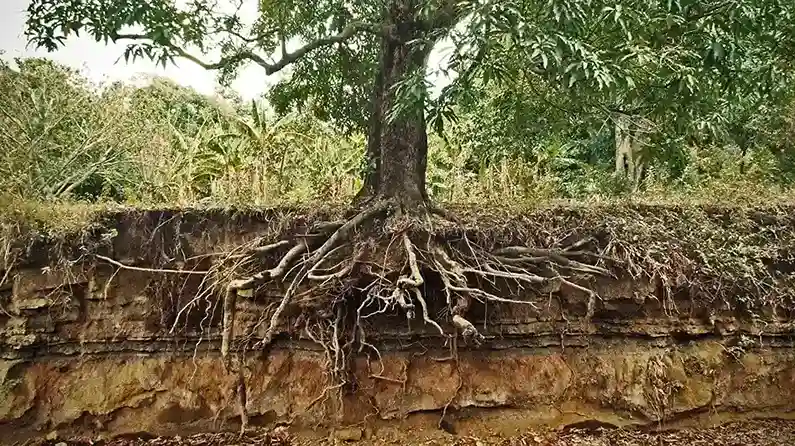
Most tree problems start underground. By the time a tree shows poor growth, leaning, or dieback, the roots are often already under stress. In coastal and urban areas like Blackpool, tree roots face added pressure from compacted soils, drainage issues, and nearby construction. This is where professional tree root health management becomes essential. At LH Tree Services, we regularly find that addressing root health early prevents expensive or irreversible problems later.
Why Tree Root Health Matters More Than You Think
Tree roots do more than anchor a tree. They absorb water, oxygen, and nutrients while providing structural stability. When roots are damaged or restricted, the entire tree suffers.
In Blackpool, common root-related issues include:
- Compacted soil from foot traffic or driveways
- Poor drainage after heavy rainfall
- Root damage during landscaping or building work
- Shallow root systems exposed to strong coastal winds
Ignoring these issues increases the risk of decline or failure.
How Tree Surgeons Assess Root Health
Professional tree root health management always starts with assessment.
Visual and site inspection: Tree surgeons look for signs such as surface roots, soil cracking, poor canopy growth, or fungal growth near the base.
Soil condition checks: Compacted or waterlogged soil restricts oxygen. We often test soil structure before recommending treatment.
Root zone evaluation: The area beneath the canopy, known as the root protection area, is assessed for disturbance or stress. In one Blackpool garden, a mature sycamore showed thinning leaves. The issue was not disease but years of soil compaction from parking. Root care restored growth without removing the tree.
Key Techniques Used in Tree Root Health Management
Air spading: This technique uses compressed air to loosen soil without damaging roots. It improves oxygen flow and reveals hidden problems.
Mulching: Organic mulch protects roots, retains moisture, and improves soil quality over time. It is especially effective in exposed coastal conditions.
Root pruning and barriers: When roots interfere with structures, selective pruning and barriers redirect growth safely rather than removing the tree.
Soil improvement: In poor soils, tree surgeons may introduce organic matter or improve drainage to restore balance.
Common Root Problems Tree Surgeons Prevent
Tree surgeons often step in before damage becomes permanent. Common issues include:
- Girdling roots restricting trunk growth
- Root rot caused by poor drainage
- Shallow roots leading to instability
- Construction damage to major roots
We once dealt with a leaning tree near a property extension. Careful root management and soil correction stabilised the tree without removal.
Urban and Coastal Challenges in Blackpool
Tree root health management in Blackpool requires local understanding. Coastal winds increase instability risks, while urban development restricts root space. Tree surgeons adapt methods based on location, soil type, and exposure. Generic advice rarely works here. Local experience matters.
Long-Term Root Care and Prevention
Healthy roots require ongoing care, not one-off fixes. Regular inspections, controlled ground use, and correct mulching all reduce future problems. Modern arboriculture focuses on prevention rather than reaction.
Final Thoughts
Tree root health management is one of the most important yet overlooked parts of professional tree care. When handled correctly, it extends tree lifespan, improves safety, and protects property. If you are concerned about tree stability or growth, LH Tree Services can assess your trees and recommend practical, proven solutions tailored to Blackpool conditions. For expert advice on tree root health and long-term tree care in Blackpool, contact LH Tree Services today to arrange a professional assessment.
Frequently Asked Questions (FAQs)
What are the early signs of poor tree root health?
Early signs include slow growth, small or discoloured leaves, dieback in the canopy, exposed surface roots, and soil cracking around the base. These symptoms often appear long after root damage has begun.
Can tree roots be damaged during building or landscaping work?
Yes. Tree roots are frequently damaged during construction, driveway installation, or garden landscaping. Even small changes to ground levels or soil compaction can significantly affect root health.
How do tree surgeons improve compacted soil around roots?
Tree surgeons often use air spading to loosen compacted soil without harming roots. This improves oxygen flow, drainage, and nutrient uptake while protecting the root structure.
Is mulching enough to maintain healthy tree roots?
Mulching helps protect roots and improve soil conditions, but it is not always enough on its own. In many cases, it works best alongside soil improvement, drainage correction, and regular inspections.
When should I contact a tree surgeon about root health?
You should contact a tree surgeon if a tree is leaning, showing poor growth, or located near a recent ground disturbance. Early assessment can prevent serious damage and avoid costly removal later.
Comments are closed