
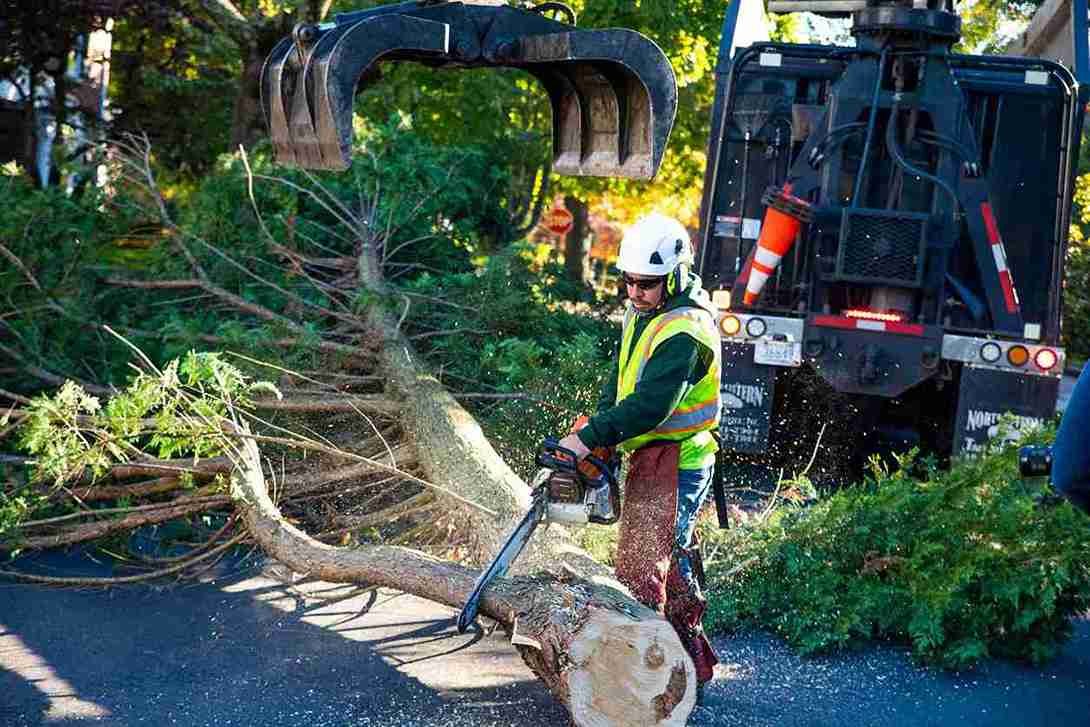
When a tree fails suddenly, panic often follows. A fallen tree blocking access, a split trunk near a house, or storm damage after high winds can feel urgent and overwhelming. In these moments, safety decisions matter more than speed. Emergency tree removal safety protocols exist to protect people, property, and the professionals carrying out the work. In coastal locations like Blackpool, emergency tree removal carries added risk due to high winds, saturated ground, and dense residential areas. This is why emergency work must always follow strict procedures, not rushed decisions. At LH Tree Services, every emergency call-out begins with safety, not saws.
Why Safety Protocols Matter in Emergency Tree Removal
Emergency tree removal is one of the highest-risk activities in arboriculture. Trees damaged by storms or ground movement behave unpredictably. A single wrong cut can trigger collapse, rolling timber, or falling sections.
Safety protocols are designed to:
- Prevent injury or fatalities
- Protect homes, vehicles, and public spaces
- Reduce secondary damage
- Ensure legal and insurance compliance
Without these controls, emergency work becomes reckless rather than responsive.
Step One: Immediate Risk Assessment
Before any cutting begins, tree surgeons carry out a full site risk assessment.
This includes:
- Assessing tree stability and direction of failure
- Identifying hanging or split branches
- Checking root plate movement
- Noting nearby buildings, roads, and footpaths
- Identifying overhead hazards such as power lines
If the risk is too high, the area is secured before work continues.
Emergency Tree Response Time and Site Control
Emergency tree response time depends on danger, not convenience. Situations affecting public access or occupied buildings are prioritised.
Once on site, safety protocols require:
- Establishing exclusion zones
- Keeping residents and pedestrians away
- Temporary road or footpath control if needed
In Blackpool, roadside and residential jobs often require careful coordination to keep the public safe while work is carried out.
Personal Protective Equipment Is Mandatory
No emergency tree removal should take place without full personal protective equipment.
This includes:
- Chainsaw protective trousers
- Helmets with visors and ear protection
- Cut-resistant gloves
- Safety boots with grip
- High-visibility clothing
PPE is not optional. It significantly reduces injury risk in unpredictable conditions.
Controlled Dismantling, Not Rushed Felling
One of the most important emergency tree removal safety protocols is controlled dismantling.
Rather than felling trees whole, professionals:
- Remove sections gradually
- Use rigging systems to lower heavy limbs
- Control load and tension points
- Prevent uncontrolled movement
This is especially important during storm-damaged tree management, where timber is often under extreme pressure.
Managing Fallen Tree Risks in Residential Areas
Fallen trees in residential areas pose layered risks.
These include:
- Injury to occupants or neighbours
- Damage to roofs, fences, and vehicles
- Blocked access for emergency services
- Further collapse of unstable sections
Emergency removal focuses first on making the site safe, then on clearing debris once danger is controlled.
Working Near Power Lines and Utilities
Trees near power lines create additional hazards.
Safety protocols require:
- Stopping work immediately
- Contacting the utility provider
- Proceeding only once the area is made safe
Tree surgeons do not work on live electrical hazards under any circumstances.
Why DIY Emergency Tree Work Is So Dangerous
DIY emergency tree work risks are often underestimated.
Common dangers include:
- Timber snapping under tension
- Chainsaw kickback
- Trees rolling or shifting unexpectedly
- Serious injury or fatal accidents
We have attended jobs where DIY attempts caused more damage than the original tree failure. Emergency tree removal requires training, planning, and experience.
Legal and Duty of Care Considerations
Property owners have a legal duty of care. If a known tree hazard causes injury or damage, liability may fall on the owner.
Using a professional service that follows emergency tree removal safety protocols:
- Demonstrates responsible management
- Protects insurance cover
- Reduces legal risk
Cutting corners rarely saves money in the long term.
Real-World Example From Blackpool
After a winter storm, we were called to a property where a large tree had partially fallen onto a boundary wall. The homeowner planned to cut it down themselves. On inspection, the tree was under severe tension and likely to roll.
By following proper safety protocols, the tree was dismantled in sections and removed without injury or further damage. A DIY attempt would almost certainly have caused the tree to shift violently.
Final Thoughts
Emergency tree removal is not just urgent tree work. It is high-risk work that demands experience, structure, and discipline. Emergency tree removal safety protocols exist because mistakes can be fatal. If a tree on your property is damaged, unstable, or posing immediate danger, the safest option is professional assessment and controlled action. If you need emergency tree removal in Blackpool, contact LH Tree Services today. We provide fast response, clear advice, and safety-first solutions when it matters most.
Frequently Asked Questions (FAQs)
What are emergency tree removal safety protocols?
Emergency tree removal safety protocols are the procedures tree surgeons follow to reduce risk during urgent work. These include risk assessments, exclusion zones, controlled dismantling, use of PPE, and strict site safety measures.
How quickly should emergency tree removal be carried out?
Response time depends on risk. Trees posing an immediate danger to people, homes, or public access are usually assessed the same day. Less urgent cases may be handled within 24 to 48 hours.
Is emergency tree removal more dangerous than routine tree work?
Yes. Storm-damaged or unstable trees behave unpredictably and often contain timber under tension. This makes emergency removal significantly more hazardous than planned, routine tree work.
Can I remove a dangerous tree myself in an emergency?
DIY emergency tree removal is strongly discouraged. Without proper training and equipment, there is a high risk of serious injury, property damage, and insurance or legal issues.
Do safety protocols apply even during severe weather?
Yes. Safety protocols are always followed, even in emergencies. If conditions are too dangerous, the area is secured first, and work is carried out as soon as it is safe to do so.
Comments are closed