
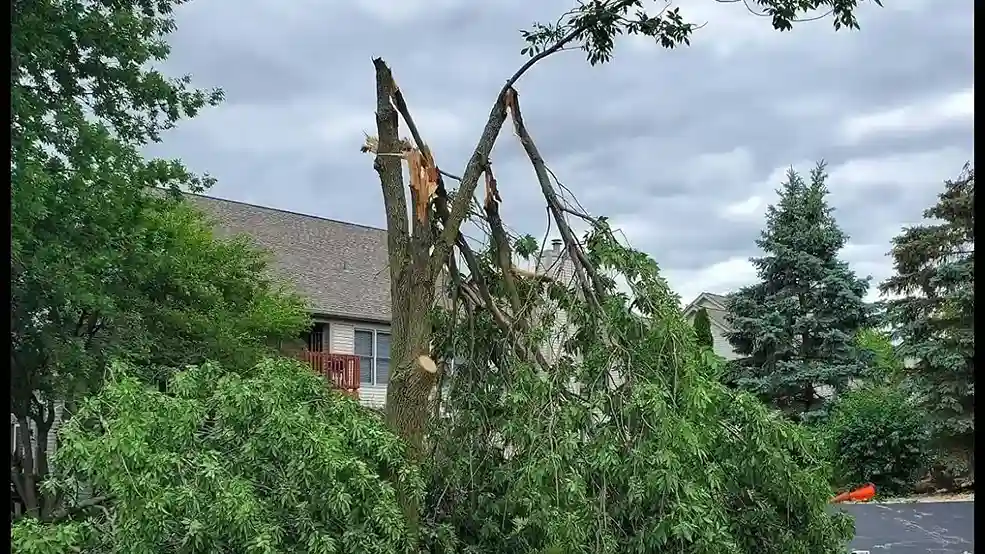
Storms rarely give notice. One night of strong coastal wind and heavy rain can leave gardens unrecognisable by morning. Trees that looked healthy the day before may now be leaning, cracked, or partially uprooted. In those moments, panic is common. The real priority, however, is not speed. It is structured. Proper storm-damaged tree management follows a clear, disciplined approach designed to protect people first. In exposed areas like Blackpool, high winds and saturated soil increase the likelihood of failure. At Tree Removal in Blackpool, we see this pattern every winter. What makes the difference is not just equipment, but judgment.
Step One: Immediate Safety Assessment
Before any cutting begins, tree surgeons carry out a rapid but thorough risk assessment. Storm damage creates instability, and unstable trees behave unpredictably.
We assess:
- Root plate movement
- Trunk splits or compression cracks
- Hanging limbs under tension
- Proximity to homes, roads, and footpaths
- Nearby utilities such as power lines
This initial stage determines emergency tree response time. If the tree threatens public access or an occupied building, it becomes priority work.
Understanding Fallen Tree Risks in Residential Areas
A fallen or partially fallen tree rarely creates a single problem. It often creates several.
Common risks include:
- Injury to residents or passers-by
- Structural damage to roofs or walls
- Blocked driveways or emergency access
- Further collapse if the tree is still under load
In residential streets, secondary movement is common. A tree resting on a fence or wall may shift suddenly once pressure changes.
Controlled Dismantling Rather Than Panic Cutting
One of the most important elements of storm-damaged tree management is controlled dismantling. Trees weakened by wind are often under extreme tension.
Professional tree surgeons:
- Remove sections gradually
- Use rigging systems to lower heavy limbs
- Control the direction of movement
- Prevent rolling or twisting
This approach follows strict emergency tree removal safety protocols. Rushing or cutting randomly is how accidents happen.
Emergency Tree Surgery Blackpool: Why Local Experience Matters
Blackpool presents specific challenges. Coastal winds are not gentle gusts. They create rotational pressure on crowns and weaken root systems over time. Saturated soil compounds the problem.
Local experience matters because:
- Ground conditions differ from inland areas
- Wind patterns are stronger and more frequent
- Residential spacing can limit safe access
Storm-damaged tree management in this environment requires understanding these variables, not just reacting to visible damage.
When Removal Is Necessary
Not every storm-damaged tree needs complete removal. Part of professional assessment involves deciding whether a tree can be retained safely.
Removal is usually required when:
- Structural integrity is permanently compromised
- Roots have failed extensively
- The trunk has split beyond recovery
- Ongoing risk remains even after pruning
Where possible, partial reduction or stabilisation may preserve the tree.
Why DIY Emergency Tree Work Is So Risky
DIY emergency tree work risks increase dramatically after storms. Timber under tension can snap violently once cut. What appears stable can collapse without warning.
Common DIY accidents include:
- Chainsaw kickback
- Sections rolling or twisting
- Trees falling in unintended directions
- Severe injuries due to misjudged load points
We have attended call-outs where attempted DIY clearance caused more damage than the storm itself.
The Importance of Emergency Tree Response Time
Timing is critical in storm-damaged tree management. Many trees fail after the storm has passed, not during it. As wind shifts or ground dries unevenly, previously stable trees can collapse.
Professional response time is prioritised based on:
- Risk to life
- Threat to property
- Obstruction of public access
Prompt inspection reduces the chance of delayed failure.
Legal and Insurance Considerations
Property owners have a duty of care. If a visibly damaged tree causes injury or damage and no action was taken, liability can arise.
Using qualified tree surgeons:
- Protects insurance claims
- Demonstrates responsible management
- Ensures work complies with regulations
Cutting corners after storms often leads to higher long-term costs.
Real Example From a Blackpool Call-Out
After a winter storm, we attended a property where a large tree had partially uprooted but remained upright. The homeowner planned to monitor it for a few days. Inspection revealed the root plate had already lifted significantly. We dismantled the tree in controlled sections that same afternoon. That evening, the winds increased again. Had the tree been left overnight, it would likely have fallen onto the neighbouring property. Storm-damaged tree management is often about acting before the second failure happens.
Preventative Measures After Storms
Storm damage often reveals underlying weaknesses. After emergency work, we usually recommend:
- Crown reduction to reduce wind resistance
- Removal of deadwood
- Monitoring root health
- Routine inspections before winter
Preventative maintenance reduces the likelihood of future emergencies.
Final Thoughts
Storm-damaged tree management is not simply about cutting down broken trees. It is about assessment, control, timing, and safety. Trees weakened by storms are unpredictable. Acting without structure increases risk. If your property has been affected by high winds or severe weather, professional inspection is the safest first step. If you need expert storm-damaged tree management in Blackpool, contact LH Tree Services today. We provide prompt assessment, clear advice, and safe, controlled solutions when it matters most.
Frequently Asked Questions (FAQs)
What should I do immediately after storm damage to a tree?
Keep people and pets away from the area and avoid attempting to cut yourself. Contact a qualified tree surgeon for a professional assessment as soon as possible, especially if the tree is leaning, cracked, or near a building.
Do all storm-damaged trees need to be removed?
No. Some trees can be stabilised through pruning, crown reduction, or structural support. Full removal is only necessary when the tree’s structural integrity is permanently compromised or poses ongoing danger.
How quickly should a storm-damaged tree be inspected?
Inspection should happen as soon as possible. Many trees fail after the storm has passed due to shifting wind or unstable ground. Same-day assessment is recommended if there is visible damage or risk to property.
Why is DIY storm-damaged tree removal dangerous?
Storm-damaged trees often contain timber under tension and unstable root systems. Cutting without understanding load points can cause sudden collapse, severe injury, or additional property damage.
Can storm damage affect tree health long term?
Yes. Even if a tree remains standing, internal splits, root disturbance, or structural weakness can lead to decline over time. Professional monitoring after storms helps prevent future emergencies.
Comments are closed