
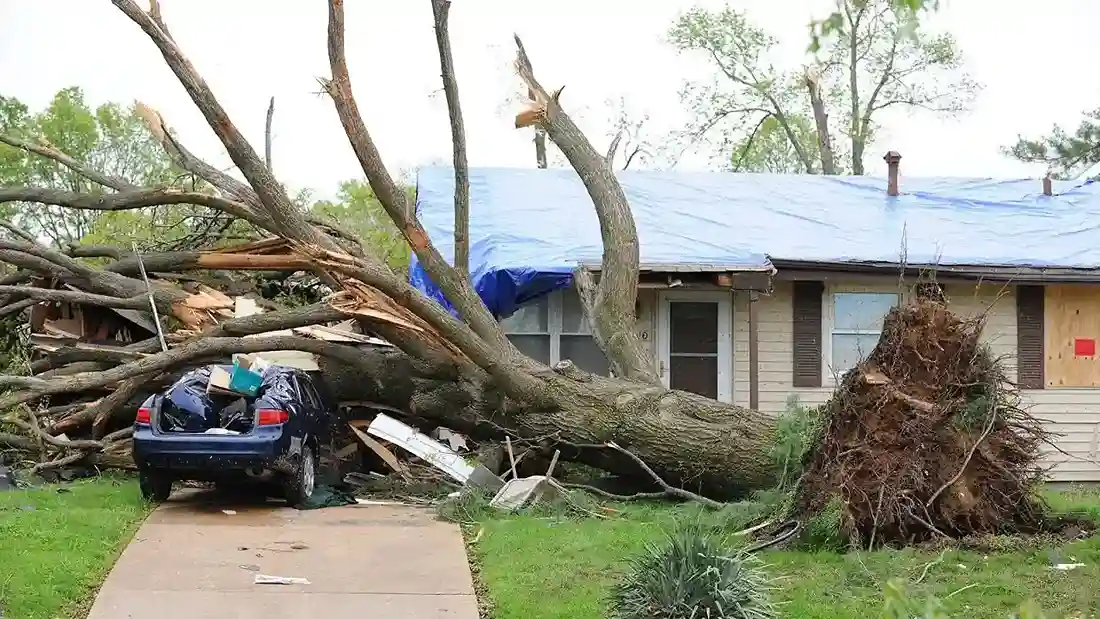
When a tree becomes unsafe, time is not on your side. One of the biggest mistakes homeowners make is assuming they can wait and see. In reality, many emergency tree issues escalate far faster than expected, especially in coastal towns like Blackpool, where wind and saturated ground put extra strain on already weakened trees. At Tree Removal in Blackpool, we often attend jobs where a delay of just one or two days has turned a manageable situation into a serious safety risk.
What Counts as an Emergency Tree Issue?
Not every tree problem needs urgent action, but emergency tree issues share one defining feature: immediate risk.
These situations include:
- Fallen or partially fallen trees
- Hanging or split branches
- Trees leaning suddenly after storms
- Uprooted root systems
- Trees threatening homes, roads, or footpaths
If failure could happen without warning, it should be treated as urgent.
Emergency Tree Response Time: Why Speed Matters
Emergency tree response time is based on risk, not convenience. Once structural stability is compromised, trees become unpredictable.
Typical professional response expectations are:
- Immediate danger: same-day assessment
- High-risk but stable: within 24 to 48 hours
- Post-storm concerns: inspection as soon as conditions allow
We have seen trees that looked stable in the morning fail by evening due to shifting roots or rising wind speeds.
Storm-Damaged Tree Management Cannot Wait
Storms are the most common trigger for emergency tree issues. High winds and waterlogged soil weaken root plates and expose hidden defects.
Storm-related emergencies include:
- Trees uprooted but still standing
- Major limbs torn and suspended
- Trunks split under wind load
One Blackpool call-out involved a tree that survived a storm overnight, then collapsed the following afternoon when winds picked up again. Early assessment would have reduced the damage.
Fallen Tree Risks in Residential Areas
In residential areas, fallen trees create layered risks.
These include:
- Injury to residents or passers-by
- Damage to roofs, vehicles, fences, and walls
- Blocked driveways and access routes
- Obstruction to emergency services
Even after a tree has fallen, danger remains. Timber under tension can shift suddenly during movement or cutting.
Emergency Tree Removal Safety Protocols
Emergency tree removal is among the most dangerous forms of arboricultural work. Speed never replaces safety.
Professional safety protocols include:
- Full site risk assessment
- Exclusion zones to protect the public
- Specialist rigging and controlled dismantling
- Clear communication between the ground crew and the climbers
Working near roads or power lines requires additional coordination. Rushed or improvised work causes accidents.
Why DIY Emergency Tree Work Is So Risky
DIY emergency tree work risks are often underestimated, particularly after storms.
Common dangers include:
- Chainsaw kickback
- Timber snapping under tension
- Sudden collapse of partially supported trees
- Serious injury or fatal accidents
We have attended jobs where DIY attempts caused more damage than the original tree failure. Emergency tree issues require training, planning, and the right equipment.
How Weather Affects Urgency
Weather plays a major role in how quickly emergency tree issues should be handled.
Factors that increase urgency include:
- Forecast high winds
- Ongoing rainfall saturating soil
- Freezing and thawing cycles weaken roots
In coastal locations like Blackpool, conditions can change quickly. What feels stable one day may not be safe the next.
When Emergency Removal Is the Only Option
Not all emergency tree issues require full removal, but sometimes there is no safe alternative.
Removal is usually necessary when:
- Structural integrity is lost
- Root failure is extensive
- Stabilisation is not possible
- Ongoing danger remains
Responsible tree surgeons always assess whether parts of the tree can be retained safely before recommending removal.
Legal and Safety Responsibility
Property owners have a duty of care. If a known tree hazard causes injury or damage, liability can fall on the owner. Acting promptly when warning signs appear helps demonstrate responsible management and reduces legal risk.
Final Thoughts
So, how quickly should emergency tree issues be handled? In genuine emergencies, assessment should happen as soon as possible, often the same day. Delaying action increases risk, cost, and potential damage. If you are unsure whether a tree issue is urgent, it is safer to assume that it is and seek professional advice. If you are dealing with a dangerous or storm-damaged tree, contact LH Tree Services today. We provide prompt, professional assessment and safe solutions for emergency tree issues in Blackpool.
Frequently Asked Questions (FAQs)
How quickly should emergency tree issues be dealt with?
Emergency tree issues should be assessed as soon as possible. If there is an immediate risk to people, property, or access routes, a same-day assessment is usually required to prevent sudden failure or injury.
What tree problems need urgent attention?
Fallen trees, hanging branches, split trunks, sudden leaning, and uprooted roots all require urgent attention. These issues can worsen quickly, especially during wind or heavy rain.
Can emergency tree issues wait until the weather improves?
Only in limited cases. If working conditions are unsafe, professionals may first secure the area and return when conditions allow. Delaying assessment without safety measures increases risk.
Is it safe to deal with emergency tree issues myself?
No. DIY emergency tree work is dangerous due to unstable timber, hidden tension, and chainsaw risks. Emergency tree issues should always be handled by qualified tree surgeons with proper equipment.
What happens during an emergency tree assessment?
A tree surgeon will assess stability, identify immediate hazards, secure the area if needed, and decide whether the tree can be stabilised or requires urgent removal.
Comments are closed