
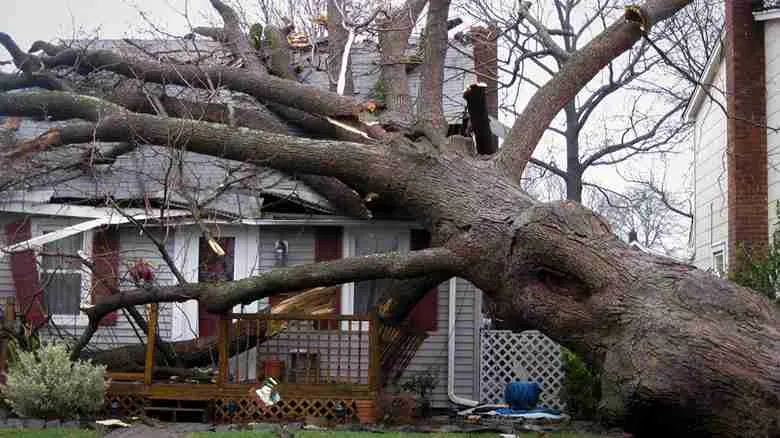
It usually happens without warning. One night of strong wind, and by morning, a tree is lying across a driveway, resting on a roof, or leaning dangerously over a pavement. Most homeowners focus on the mess. The real issue is the risk. Fallen tree risks in residential areas go far beyond inconvenience. They involve safety, liability, structural damage, and in some cases, life-threatening hazards. In coastal towns like Blackpool, strong winds and saturated soil make these situations more common than many people realise. At LH Tree Services, we often attend emergency tree solution call-outs where early inspection could have prevented serious damage.
Why Fallen Trees Are More Dangerous Than They Appear
A fallen tree is rarely stable. Even when it looks settled, sections can still be under tension. Branches may be supporting weight unevenly. The trunk may shift if cut incorrectly. In residential settings, space is tight, which increases the chance of secondary damage. One of the biggest mistakes homeowners make is assuming that once a tree is on the ground, the danger is over. In reality, unstable timber can roll, snap, or collapse further when disturbed.
Structural Damage to Homes and Property
One of the most immediate fallen tree risks in residential areas is structural damage. Roof tiles can crack under impact. Gutters and fascia boards may be pulled away. Boundary walls and fences often absorb part of the fall, only to collapse later. In Blackpool, we have seen cases where a tree resting lightly on a roof caused minor damage at first, but when the winds picked up again, it shifted and created far more serious structural problems. Acting quickly often limits repair costs.
Injury and Public Safety Hazards
Fallen trees also create serious safety hazards. Branches can block pavements or roads. Debris may obstruct emergency vehicle access. Children and pets may unknowingly approach unstable sections. The risk of serious injury increases when homeowners attempt DIY clearance. Timber under pressure can snap violently. Chainsaw misuse is a common cause of post-storm injuries across the UK.
Hidden Dangers After Storm-Damaged Tree Events
Storm-damaged tree management is not only about what has already fallen. Trees that remain upright may have compromised root systems. High winds twist trunks and weaken anchor points. Saturated soil reduces stability. In many cases, a fallen tree is only part of the problem. Nearby trees may be structurally weakened and require inspection. This is why emergency tree surgery Blackpool services prioritise full site assessment, not just removal.
Emergency Tree Response Time Matters
Emergency tree response time should reflect the risk level. If a tree is blocking access, threatening a structure, or endangering the public, a same-day professional assessment is advisable. Delays can increase liability and risk. Property owners have a duty of care. If a visibly dangerous situation is ignored and injury occurs, responsibility may follow.
Why DIY Emergency Tree Work Is Risky
DIY emergency tree work risks are often underestimated. It is not just about cutting wood. It is about understanding load points, compression, and how timber behaves under stress. Common DIY mistakes include cutting from the wrong side of a trunk, failing to account for weight distribution, and standing within the fall zone. These errors can cause sudden movement and serious injury. Professional emergency tree removal safety protocols exist for this reason. Controlled dismantling, exclusion zones, and proper equipment significantly reduce risk.
The Importance of Professional Assessment
When we attend to a fallen tree in a residential area, the first step is assessment. We examine root stability, trunk integrity, and environmental factors. We determine whether additional trees are at risk and whether temporary stabilisation is needed. Not every fallen tree requires complex dismantling. Sometimes the safest solution is sectional removal using rigging systems. Other times, debris can be cleared safely once tension is released. The key is informed decision-making.
Preventing Future Fallen Tree Risks
Prevention plays a major role in reducing fallen tree risks in residential areas. Regular inspections before winter can identify weak limbs or structural weaknesses. Crown reduction can reduce wind resistance. Removing deadwood limits the potential for falling debris. Coastal areas like Blackpool benefit from proactive maintenance. Trees exposed to consistent wind pressure require ongoing monitoring to maintain structural balance.
Insurance and Legal Considerations
Insurance claims often depend on evidence of responsible management. Documented inspections and professional intervention demonstrate that reasonable steps were taken. Ignoring visible damage or delaying action may complicate claims. Early professional involvement protects both safety and financial interests.
Final Thoughts
Fallen tree risks in residential areas are serious and often underestimated. Structural damage, injury, liability, and secondary collapse are all real possibilities. Acting quickly and responsibly reduces these risks significantly. If you have experienced storm damage or a fallen tree in Blackpool, seeking professional assessment is the safest course of action. If you are facing fallen tree risks or storm-related damage, contact LH Tree Services for prompt, professional assistance in Blackpool. We provide safe, controlled solutions when it matters most.
Comments are closed