
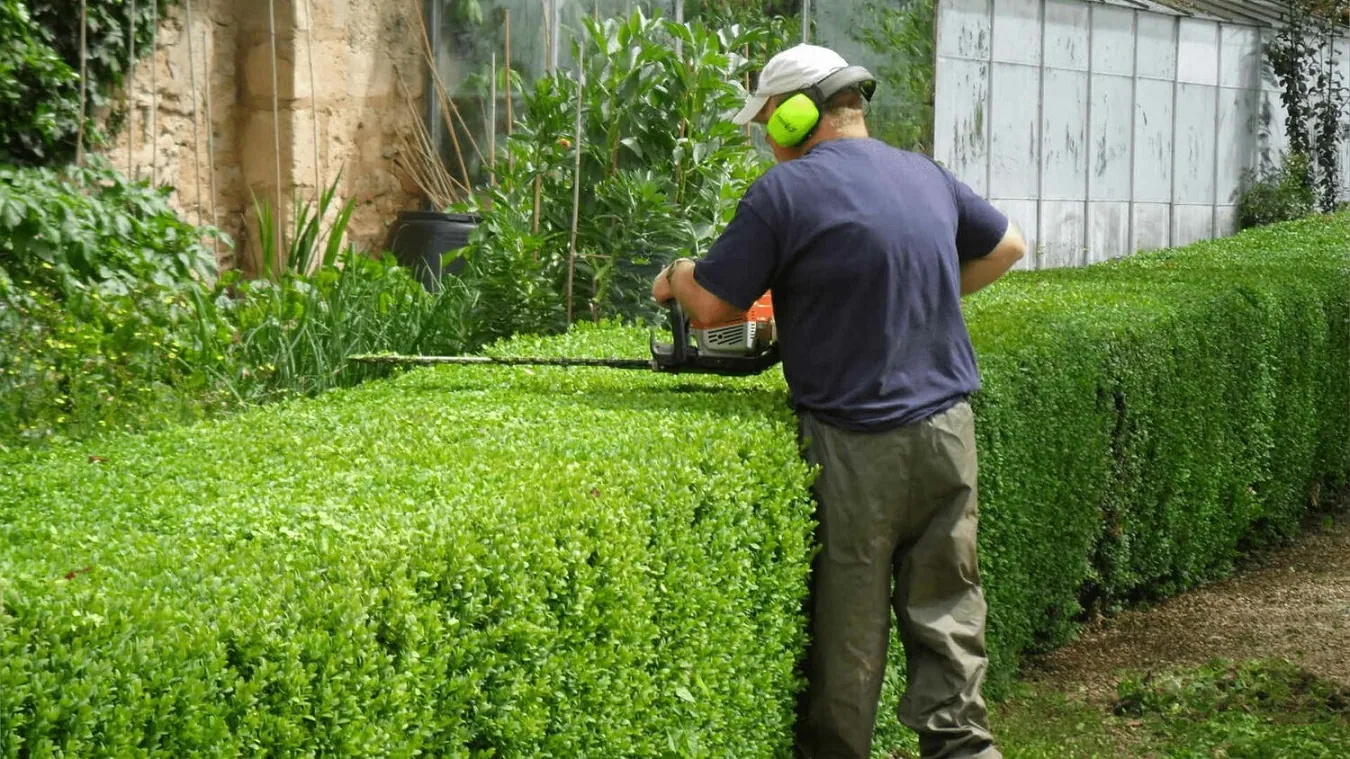
Hedge trimming and pruning maintain healthy, attractive garden hedges throughout Blackpool and Lancashire. Understanding optimal timing for hedge maintenance prevents damage whilst encouraging vigorous growth. Seasonal considerations, plant species, and growth patterns all influence ideal trimming schedules for different hedge varieties.
Professional hedge care requires knowledge distinguishing between formative pruning, maintenance trimming, and rejuvenation cutting. Blackpool Tree Surgeon provides expert hedge trimming services ensuring proper timing and techniques protecting hedge health whilst maintaining desired shapes and boundaries.
Understanding Hedge Pruning Versus Trimming
Hedge pruning removes dead, diseased, or damaged branches promoting plant health and safety. Trimming focuses on maintaining shape and controlling growth for aesthetic purposes. Both practices serve distinct purposes requiring different approaches and timing throughout growing seasons.
Formative pruning establishes strong structure during first two to three years after planting. Maintenance trimming keeps established hedges tidy and within bounds preventing overgrowth encroaching on neighbouring properties or pathways.
Key Differences Between Pruning and Trimming
Pruning stimulates new growth by removing specific branches encouraging flowering and fruiting. Hedge Trimming in Blackpool maintain desired dimensions preventing hedges becoming overgrown or misshapen through regular interventions.
Pruning cuts target individual branches requiring secateurs or loppers for precision. Trimming employs hedge shears or powered trimmers cutting multiple stems simultaneously creating even surfaces across formal hedges.
Seasonal Timing for Hedge Maintenance
Spring pruning encourages vigorous growth as plants emerge from dormancy. Summer trimming maintains shape during active growing periods when hedges produce abundant new growth requiring control. Autumn cutting prepares hedges for winter dormancy whilst winter work suits major renovation pruning.
Growing seasons vary between deciduous hedges losing leaves annually and evergreen species maintaining foliage year-round. Climate conditions across Lancashire influence precise timing requiring local knowledge ensuring optimal results.
Spring Hedge Care Activities
Early spring suits formative pruning before new growth begins affecting deciduous hedges and some evergreens. Late spring trimming shapes fast-growing species like privet and hawthorn after initial growth flush subsides.
Nesting birds require consideration between March and August throughout UK. Wildlife protection laws prohibit disturbing active nests necessitating careful inspection before commencing hedge trimming work during breeding seasons.
Timing for Different Hedge Species
Conifer hedges including Leylandii, yew, and lawson cypress require specific timing preventing damage. Deciduous hedges like beech, hornbeam, and hazel tolerate different cutting schedules. Flowering hedges need timing preserving blossom production for following seasons.
Fast-growing hedges demand multiple cuts annually whilst slow-growing species manage with single annual trims. Blackpool Tree Surgeon assesses individual hedge varieties recommending appropriate maintenance schedules based on growth rates and aesthetic goals.
Evergreen Hedge Maintenance Schedules
Laurel hedges trim best during July or August using secateurs for clean cuts through large leaves. Box hedging requires two annual trims in June when growth becomes woody and again between August and September.
Yew hedges tolerate cutting between late spring and early autumn avoiding winter frosts. Holly hedges trim once annually during late summer after berry formation completes for those valuing winter interest.
Deciduous Hedge Cutting Times
Beech hedges benefit from June trimming maintaining bushy growth and August cutting producing attractive autumn foliage persisting through winter. Hornbeam hedging receives similar treatment creating dense screens retaining dead leaves throughout colder months.
Hawthorn hedges cut twice annually in May after flowering completes and autumn when sides appear untidy. Privet hedges require frequent trimming between spring and late summer controlling vigorous growth whilst maintaining neat formal appearance.
Formal Versus Informal Hedge Styles
Formal hedges demand precise geometric shapes requiring two or three annual trims maintaining crisp lines. Informal hedges tolerate relaxed natural forms needing single annual cuts preserving flowering potential whilst controlling overall dimensions.
Topiary shapes within hedges require additional attention preserving intricate designs. Hedge Trimming in Blackpool specialists maintain both formal and informal styles according to property requirements and garden design preferences.
Maintaining Formal Hedge Shapes
Straight edges and level tops define formal hedging requiring careful measurement and frequent attention. Tapered profiles wider at base than top ensure lower branches receive adequate sunlight preventing bare patches developing near ground level.
String lines and templates guide consistent cutting maintaining uniform appearance throughout hedge length. Powered hedge trimmers speed work whilst hand shears provide ultimate precision for detailed sections and finishing touches.
Tools and Equipment for Hedge Work
Hand shears suit small hedges and detailed work providing excellent control. Petrol hedge trimmers tackle large hedges efficiently whilst electric trimmers offer quieter operation for residential areas. Long-reach trimmers access tall hedges safely from ground level.
Safety equipment including protective goggles, gloves, and ear defenders prevents injuries during hedge maintenance. Ladders and scaffold towers provide stable platforms for height work when required for substantial hedges.
Professional Equipment Advantages
Commercial-grade trimmers deliver superior cutting power and longevity compared to domestic models. Blade sharpness ensures clean cuts preventing disease entry through ragged wounds on stems.
Debris collection equipment speeds cleanup following major trimming work. Blackpool Tree Surgeon maintains professional tools ensuring efficient service delivery across all hedge types and sizes throughout Lancashire.
Common Hedge Trimming Mistakes
Over-cutting removes too much growth weakening plants and creating bare patches. Wrong timing damages flowering potential or exposes tender new growth to frost damage. Blunt tools tear stems rather than cutting cleanly increasing disease susceptibility.
Ignoring base width creates narrow-bottomed hedges where lower branches die from light starvation. Excessive height makes maintenance difficult whilst creating wind resistance potentially causing structural failure during storms.
Avoiding Hedge Damage
Gradual reduction over multiple seasons safely lowers overgrown hedges without shocking plants. Crown thinning improves light penetration whilst maintaining overall dimensions suitable for mature specimens requiring rejuvenation.
Disease identification enables prompt treatment preventing spread throughout hedge length. Hedge Trimming in Blackpool services include health assessments identifying problems requiring specialist attention beyond routine maintenance.
Professional Hedge Services Benefits
Expert timing ensures cuts occur at optimal moments maximising plant health and appearance. Proper techniques create clean wounds healing quickly without compromising structural integrity. Efficient execution completes work promptly minimising disruption to properties and neighbours.
Waste removal eliminates disposal concerns following major trimming projects. Insurance coverage protects property owners from liability during tree surgery work. Blackpool Tree Surgeon provides comprehensive hedge care meeting professional standards throughout Fylde Coast.
Specialist Knowledge Application
Species identification informs appropriate cutting schedules and techniques specific to each plant variety. Growth pattern understanding predicts future development enabling proactive management preventing problems.
Local climate knowledge accounts for Blackpool’s coastal conditions affecting timing decisions. Pest and disease recognition enables early intervention protecting hedge investments long-term throughout Lancashire properties.
Frequently Asked Questions
How Often Should Hedges Be Trimmed Annually?
Formal hedges require two to three cuts yearly whilst informal hedges manage with single annual trims. Fast-growing species like privet and leylandii need more frequent attention than slow growers.
Can Hedges Be Trimmed During Winter?
Winter suits major renovation pruning for deciduous hedges whilst they’re dormant. Avoid cutting evergreens during freezing conditions as frost damages fresh wounds preventing proper healing.
What’s The Best Time for First Hedge Trim?
Late spring after initial growth flush suits most species. Check for nesting birds before cutting between March and August protecting wildlife as required by law.
Why Do Hedge Bottoms Become Bare?
Insufficient light reaching lower branches causes die-back. Maintain tapered profile wider at base ensuring adequate sunlight penetration preventing bare patches developing over time.
Should Flowering Hedges Be Trimmed Differently?
Yes, trim after flowering completes preserving next season’s blossom. Species like forsythia and escallonia require timing respecting flowering cycles maintaining ornamental value throughout gardens.
Comments are closed